
Deal
Receive 13 cards and review the possible sequences and sets already present in your hand.
⚡Compete with Millions ⚡ 100% Fair Play ⚡ Lightning-Fast Cashouts
The 13-card Indian Rummy game combines drawing, discarding and arranging cards into sequences and sets. Start by understanding a pure sequence, then check how the remaining groups fit together. Our rule guides and practical card examples explain what to look for before each decision. If you want the app, use the official download page when available in your location. Read the active table rules and set time and spending limits before playing.

Understand the essentials of a 13-card Indian Rummy hand before you join a table.
Receive 13 cards and review the possible sequences and sets already present in your hand.
Arrange cards into valid sequences and sets. Build at least one pure sequence without a joker.
Verify every group, reduce unmatched points and declare only when the complete hand is valid.
Practical lessons for pure sequences, discard decisions and flexible 13-card hand planning.
A sequence contains at least three consecutive cards of the same suit. A set groups cards of the same rank in different suits. Secure a pure sequence first, then plan the second sequence and the remaining groups. Two connected cards are still a candidate, not a completed sequence. Check the active table rules for Joker use and duplicate cards before deciding where each card belongs.
A valid declaration depends on the whole hand, not just one strong group. Count all 13 cards once and confirm at least two sequences, including one pure sequence. Never count the same physical card in two groups. Review the value of unmatched cards: number cards commonly carry their face value, while face cards and aces carry ten points. The final score and any penalty depend on the table rules.
Use these evergreen guides to work through card examples and checklists before making a decision. Revisit the full hand whenever a draw changes your grouping options. A useful pattern can explain a choice, but it cannot guarantee a result or winnings.
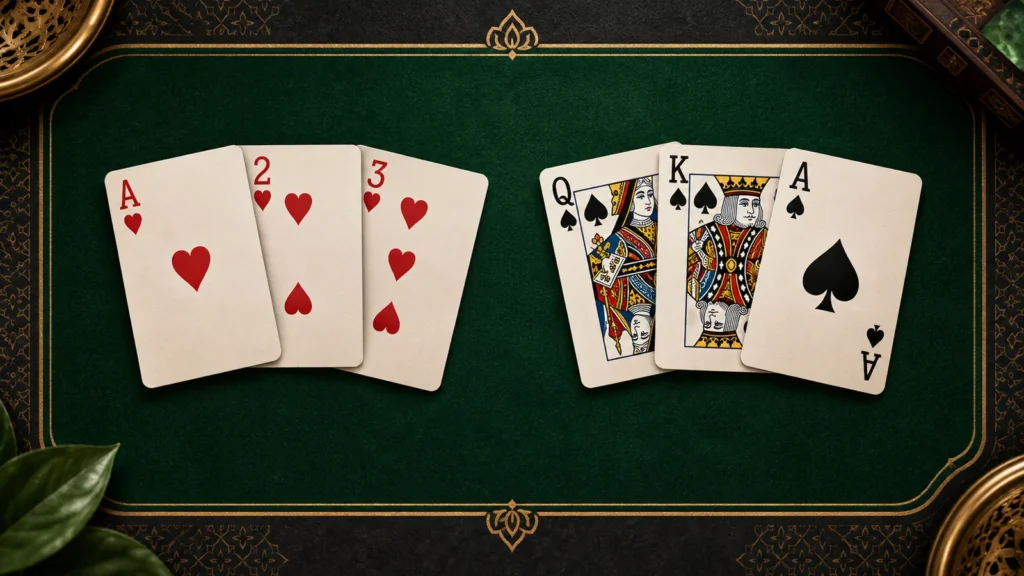
Learn when an Ace can sit beside a 2 or a King in an Indian Rummy sequence, and why K-A-2 does not form a…
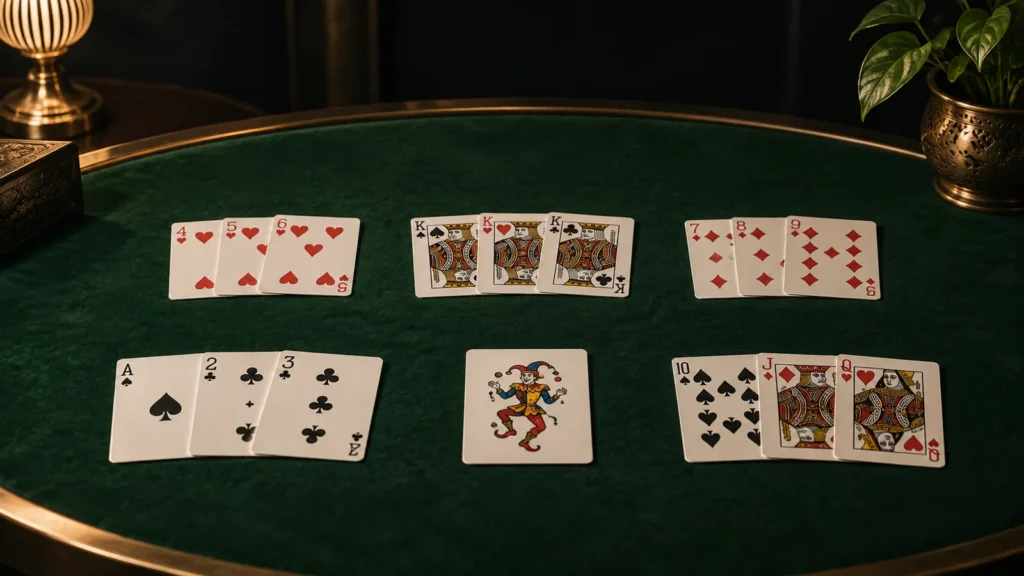
Learn how numbered cards, face cards, aces and Jokers are commonly treated when counting unmatched cards in Indian Rummy.
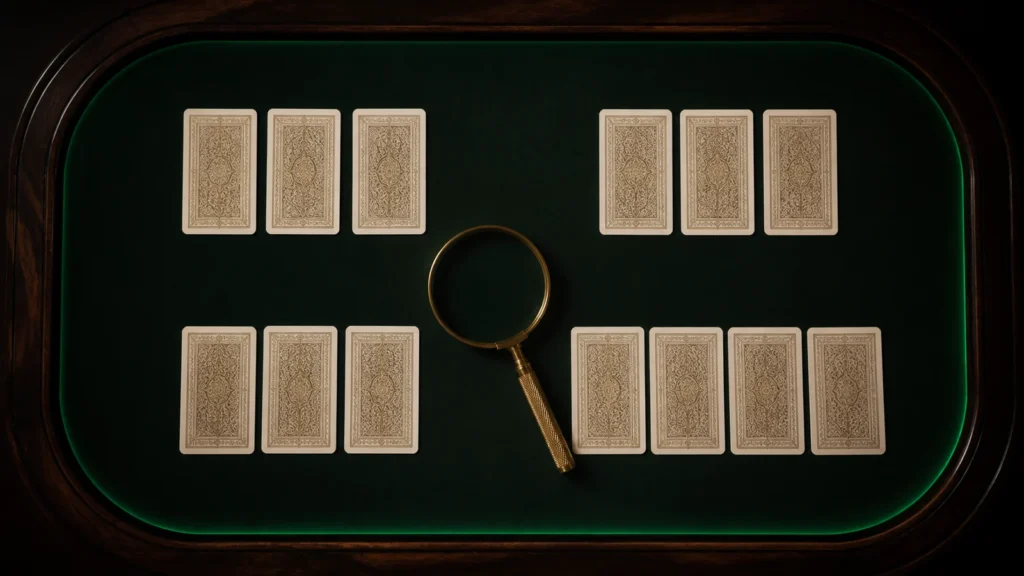
Check all 13 cards, two required sequences, the pure sequence, sets and Joker roles before making an Indian Rummy declaration.
Important information about Indian Rummy, app safety and responsible play.
Rummy is widely regarded as a game of skill in India, but availability differs by state. Players must be 18 or older and should always check and follow the laws that apply in their location.
A pure sequence contains three or more consecutive cards of the same suit without using a joker. At least one pure sequence is required for a valid declaration.
Use only the official download button on this website. Avoid files shared through unknown messages or third-party websites, and verify the source before installing any app.
No. Rummy involves skill, decision-making and risk, and no result or return is guaranteed. Set personal limits, take regular breaks and never chase losses.
Master Rummy is intended only for adults aged 18 and above. Players are encouraged to use time and spending limits, play for entertainment and seek help if play stops being enjoyable.
Games involve financial risk and no winnings are guaranteed. Play only where permitted by local law, use personal limits and never borrow money to play.